CART (0)

Jeremy Walsh
A historian and author committed to explaining the RAF intruder role during the Second World War
Published Works

Mosquito Intruder Pilot
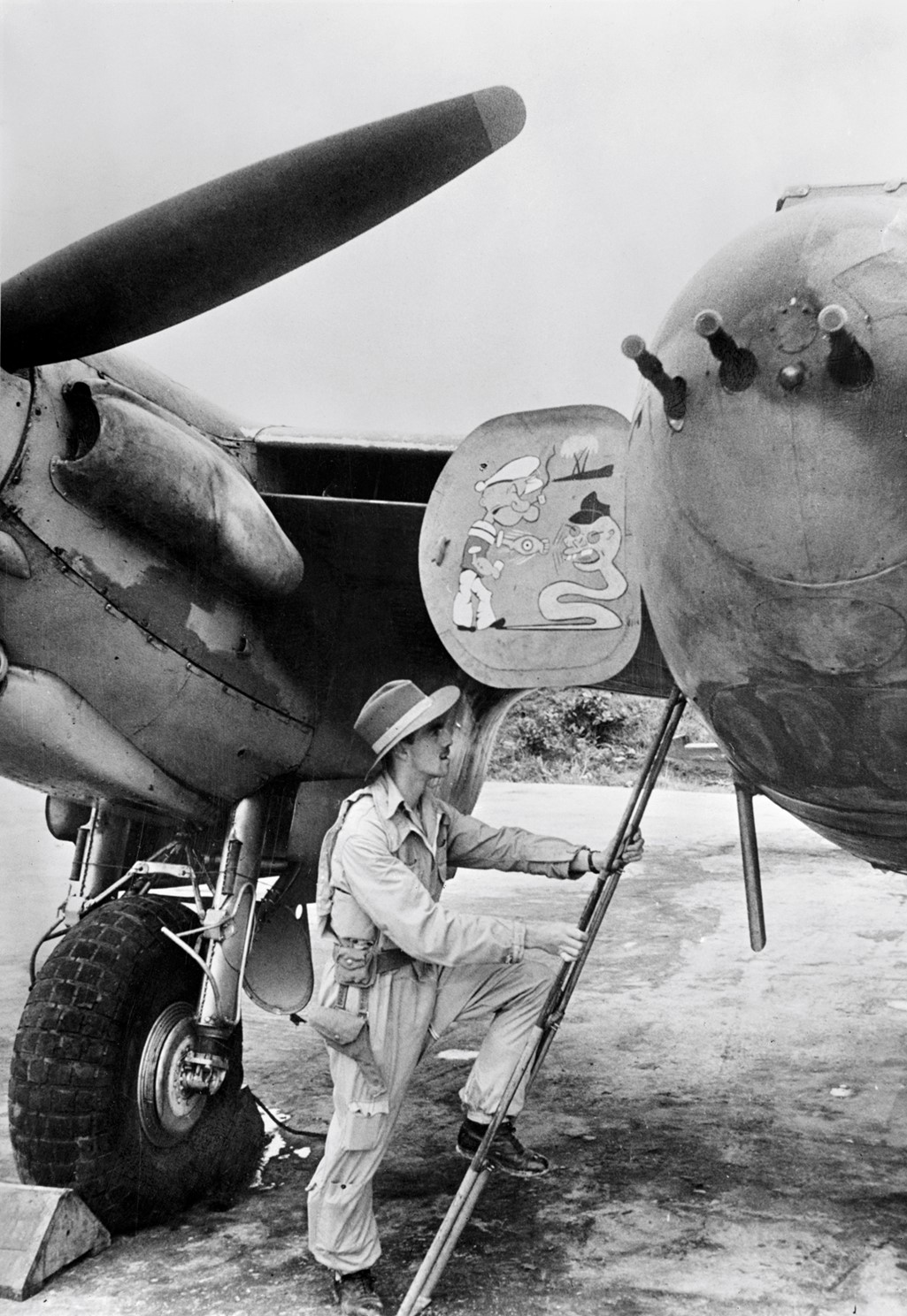
Ben Walsh lied about his age to join the RAF, determined to play his part in the Second World War. He volunteered to be an intruder pilot, flying low level operations in the dark. Initially flying ops in Douglas Boston Intruder IIs, he then converted to the legendary de Havilland Mosquito FB VI. Ben flew ops for three years, starting in the skies over with Europe with 418 (RCAF) Squadron, then ferrying one of the first Mosquito FB VIs to India before flying in the Burma campaign with 27 Squadron (under Wing Commander Nicolson VC) and finally with 45 Squadron.
The Mosquito developed problems in the severe climate it encountered in the Far East which resulted in the aircraft being temporarily grounded in November 1944. This saw Ben undertaking thirteen operational sorties in venerable Tiger Moths in the Arakan.
Although Ben survived belly landings, crashes, enemy fire and engine failures, the strain of combat operations took its toll on the still-young pilot. He and his navigator asked to be removed from operations, but their request was denied, both being threatened with court martial.
By the end of the war when still only 21 years old, Ben was suffering from a nervous condition known as ‘the twitch’. His confidence and health were restored by the young woman who had been his pen friend through the war, who became his wife and the mother of the man who has compiled this dramatic and moving story – Jeremy Walsh.

Mosquito Intruders - Target Burma
The exploits of the Mosquito crews in Burma, skimming at low-level and at speed along rivers and over treetops to their targets, are the stuff of legend. Surprisingly, only five RAF squadrons ever flew these operations. Mosquito Intruders – Target Burma explores the achievements of these intruder squadrons, as well as the costs to the men who flew and supported them.
Their story starts in mid-1943, almost as soon as the fighter-bomber variant of the ‘Mossie’, the iconic de Havilland Mosquito FB VI, had been introduced to squadron service in the UK. The first challenge was to deliver the new aircraft, with its radical wooden construction, to India and build a supply chain to support it.
Then, with few dual-control aircraft, they needed to train the crews to operate the Mosquito to the limits of its performance in often hostile weather over inhospitable territory against an aggressive enemy. Some crews converted from a similar low-level role to extend the reach of the impressive but already obsolescent Beaufighter. Other squadrons, converting from the single-engine Vultee Vengeance dive bomber, needed to learn how to handle a faster twin-engine intruder and to fly at low level. Against the odds, both the aircraft and their crews delivered!
Mosquito Intruders – Target Burma uses diaries, first-hand accounts, and official records to take the reader through the Mosquito intruders’ three-year campaign to help force the Japanese out of Burma, living and dying with the brave warriors in the five squadrons which flew the FB VI.

Mosquito Intruders - Target Europe
It was only the ‘above average’ pilots and navigators who were invited to volunteer for what was some of the most challenging, daring and rewarding flying operations of the Second World War. Their role was to take Mosquitos at low level through the night across Europe to loiter near a Luftwaffe airfield to attack and shoot down returning enemy bombers or night fighters.
The Mosquito intruders’ story starts during the Battle of Britain, when RAF planners noticed a few German interlopers ‘hiding’ in the returning bomber streams.
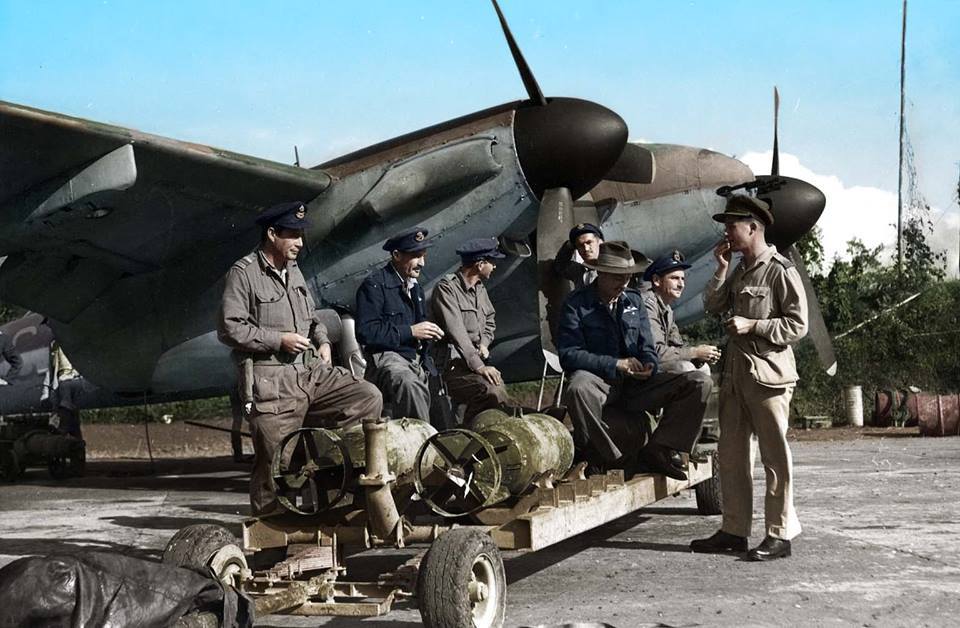
To exploit this concept properly, the RAF needed the right equipment, training programme and airmen. Each would take time to establish. It was not until mid-1943, with the superior performance and capabilities of the iconic de Havilland DH.98 Mosquito FB VI, that the intruders’ full impact would at last be felt. The first three intruder squadrons, Nos. 23, 418 and 605, were the elite of the elite. Their ‘Battle Honours’ demonstrate their contribution to delivering victory over the Axis forces.
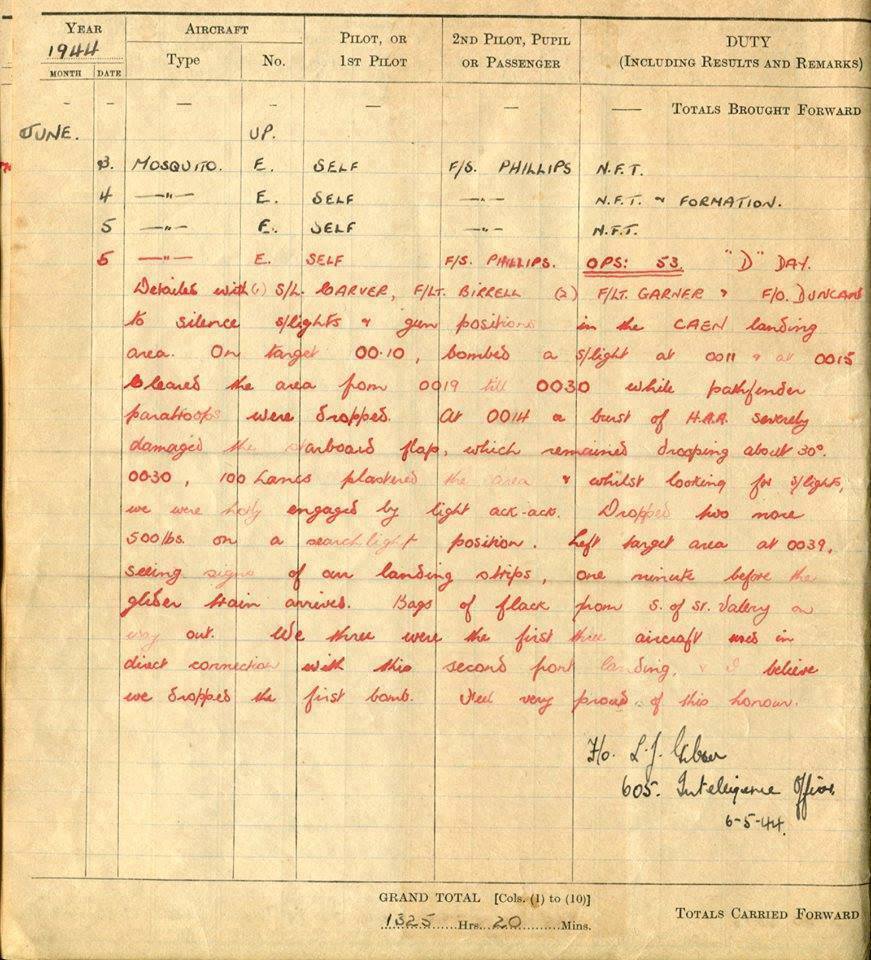
Mosquito Intruders - Target Europe uses diaries, first-hand accounts, and official records to take the reader through the development of the intruder concept, from when they were equipped with the Mosquito NF II (Special), to the operations of the first three Mosquito intruder squadrons. These three squadrons defended Malta, supported the invasion of Sicily, assisted No. 617 ‘Dambusters’ Squadron on their famous Dortmund-Ems Canal raid, were the first to attack on D-Day, and worked out how to defeat the V1 flying bombs.
The Mosquito demanded respect and could take punishment. Beautifully balanced, fast and with a powerful punch, for most of the aircrew, it was the aircraft of their dreams. By the end of Mosquito Intruders - Target Europe, you will understand why!

Why 'Intruding'?
I followed my father, Ben Walsh, into the RAF to train as a pilot, believing that I knew about his wartime experiences. We had talked about it many times. It took me many years to realise that I knew very little about his real experiences.
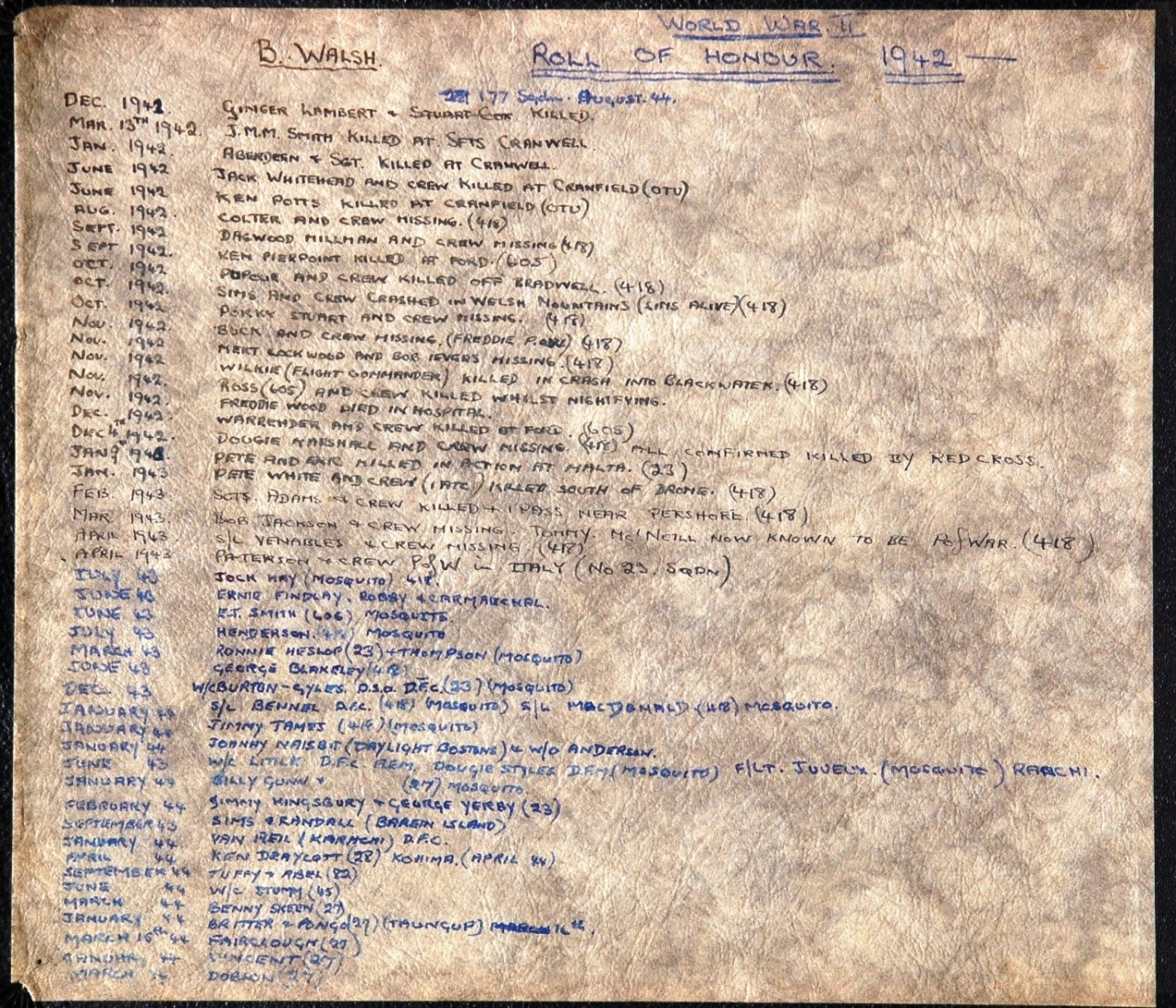
More than a year after my father’s death, I decided to flick through his rather tatty wartime photograph album. I had noticed it before but I had never really studied it. For the first time I focused on his handwritten ‘Roll of Honour’ on the inside front cover. My father had listed the names of his friends and colleagues who had been lost to the war. I realised that my father had glossed over this in his talks with me. This Roll of Honour became the foundation of my mission to uncover the true story of my father’s war and intruder flying in general.
Using my father’s personal recollections, logbook, photograph album, letters and mementoes I verified his journey through the official and squadron records. Unfortunately, these records do not describe the physical and mental demands on an operational pilot, nor the pressures of day-to-day wartime life. I completed the full story of my father's war through personal accounts, interviews and discussions with family, and the families of his squadron colleagues.
This developed into my mission to explain the challenges of intruder and strike flying during the Second World War.
FRAGMENTS
First-Hand Accounts
My books are full of accounts written by the people who were there.
‘These missions were difficult for the navigators because they were trying to determine our position from an altitude of below 20 feet. We would cross rivers and railroad tracks and, of course, never fly along them, or we'd run into a flak tower sooner or later. When we crossed a river or a track at such low altitudes, we were never sure of where we were. And flying so low, we nearly always flew under power lines and bridges.’
‘Jas’ Jasper, an American pilot in the RCAF, No. 418 Squadron, explaining an attack in southern France in March 1944 Mosquito Intruders - Target Europe
‘These were biggish planes and they had a crew of three, although the pilot was on his own in the cockpit. And they sent you up, but you could not practice. On my first solo I had difficulty in getting the undercarriage up. I did not know this at the time, but apparently it was a different technique to other planes, and no one had told me about that. But you learn!’
'Benny Walsh, RAF pilot, No. 51 O.T.U. at RAF Twinwood Farm, about his first flight in a Douglas DB-7 Havoc.
Douglas Bostons - Night Raiders
'The plane shot up to about 600ft, stalled, then climbed, then stalled three times. As we were over rice paddies, Cliff attempted a belly landing. The plane completely broke up when we hit the walls between the paddy fields. We walked out of the front of the plane as it had completely broken off. I got Cliff out of the sun and under the wing, bandaged his legs and my own and walked about five miles to a village [where I] sent a telegram to base.'
Johnny Yanota, RCAF navigator - 45 Squadron, recalling a training flight on 24 June 1944
Mosquito Intruders - Target Burma
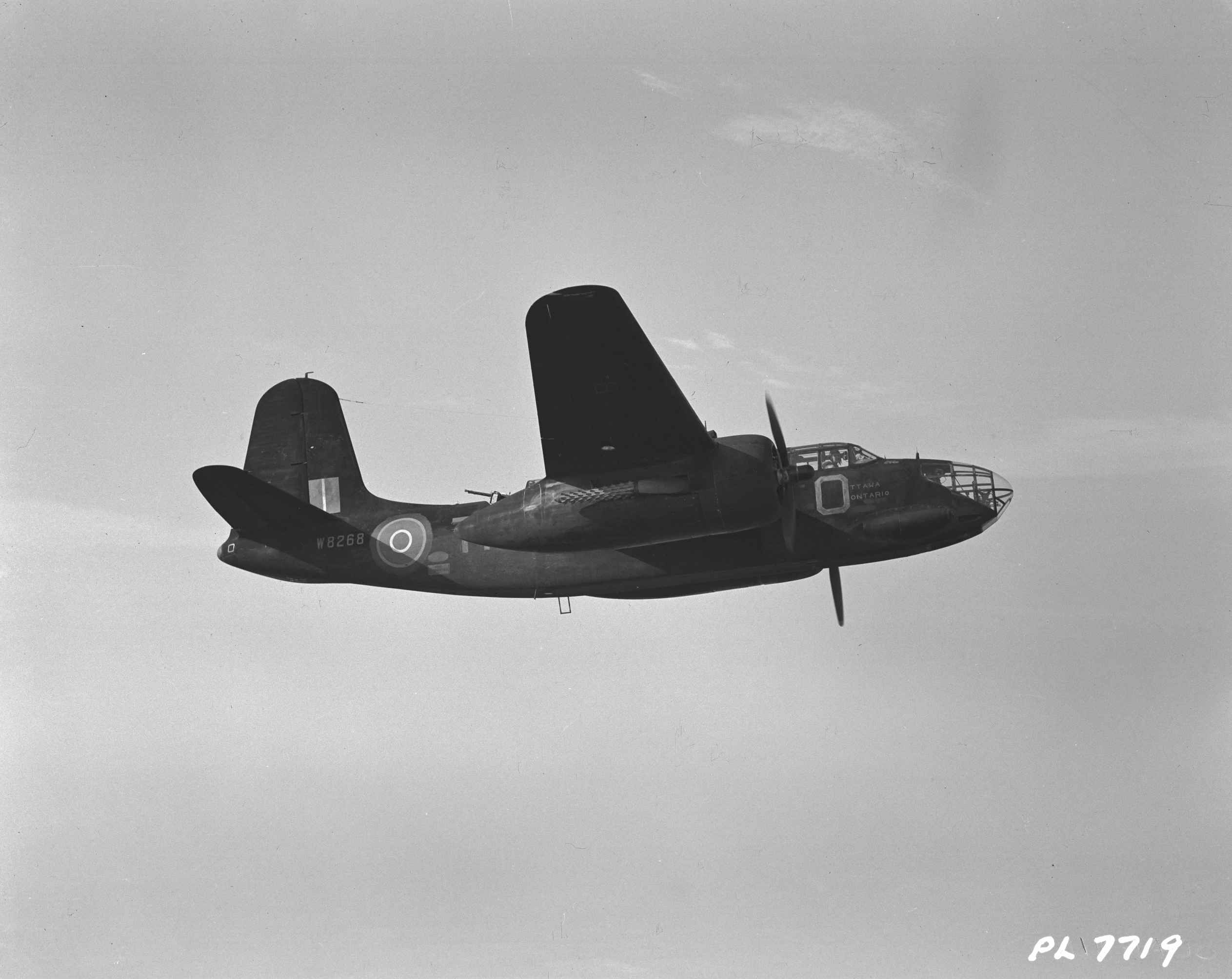
'As it turned out, during the first few months at Bradwell, we were to have numerous new crews posted to the squadron. Fate didn’t permit many of them to remain long enough for the rest of us to get to know them well.'
Doug Alcorn, RCAF navigator - 418 (RCAF) Squadron, recalling the high losses during the early intruder flying with Douglas DB-7 Boston IIIs at RAF Bradwell Bay in Spring 1943
Douglas Bostons - Night Raiders
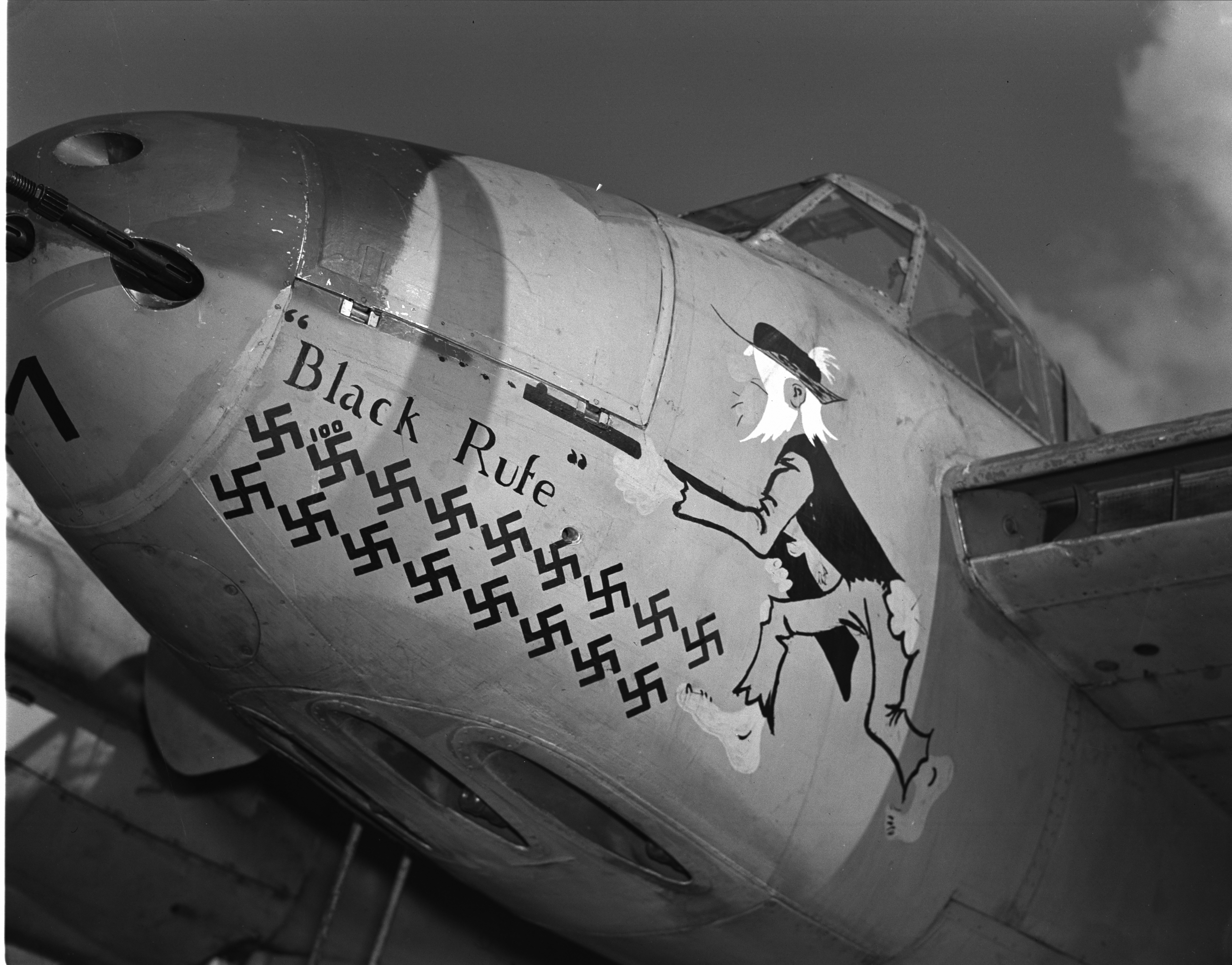
%20RCAF%20Squadron.png)


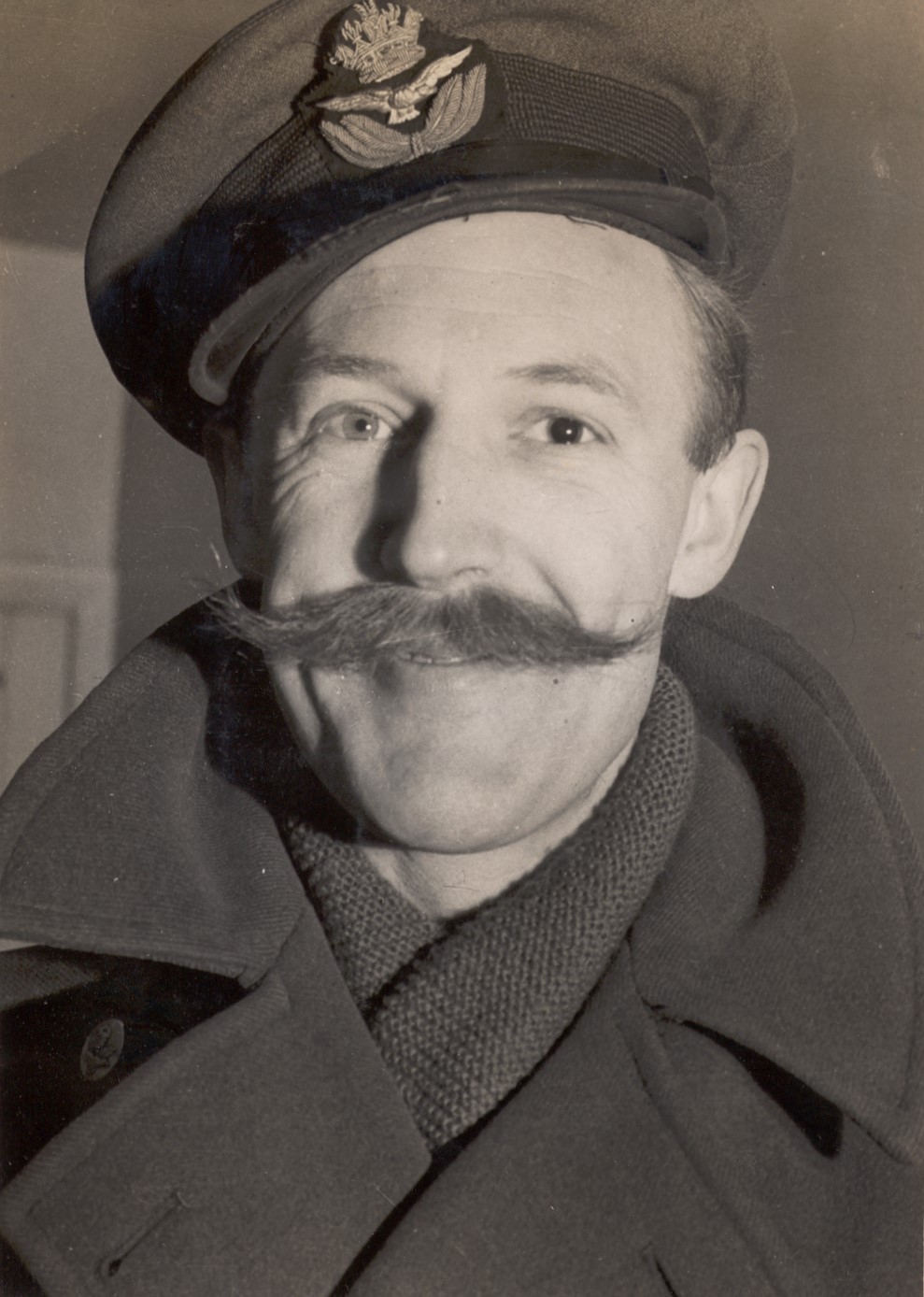
%20RCAF%20Squadron%20review%20damage%20on%2014%20March%20%201944.png)


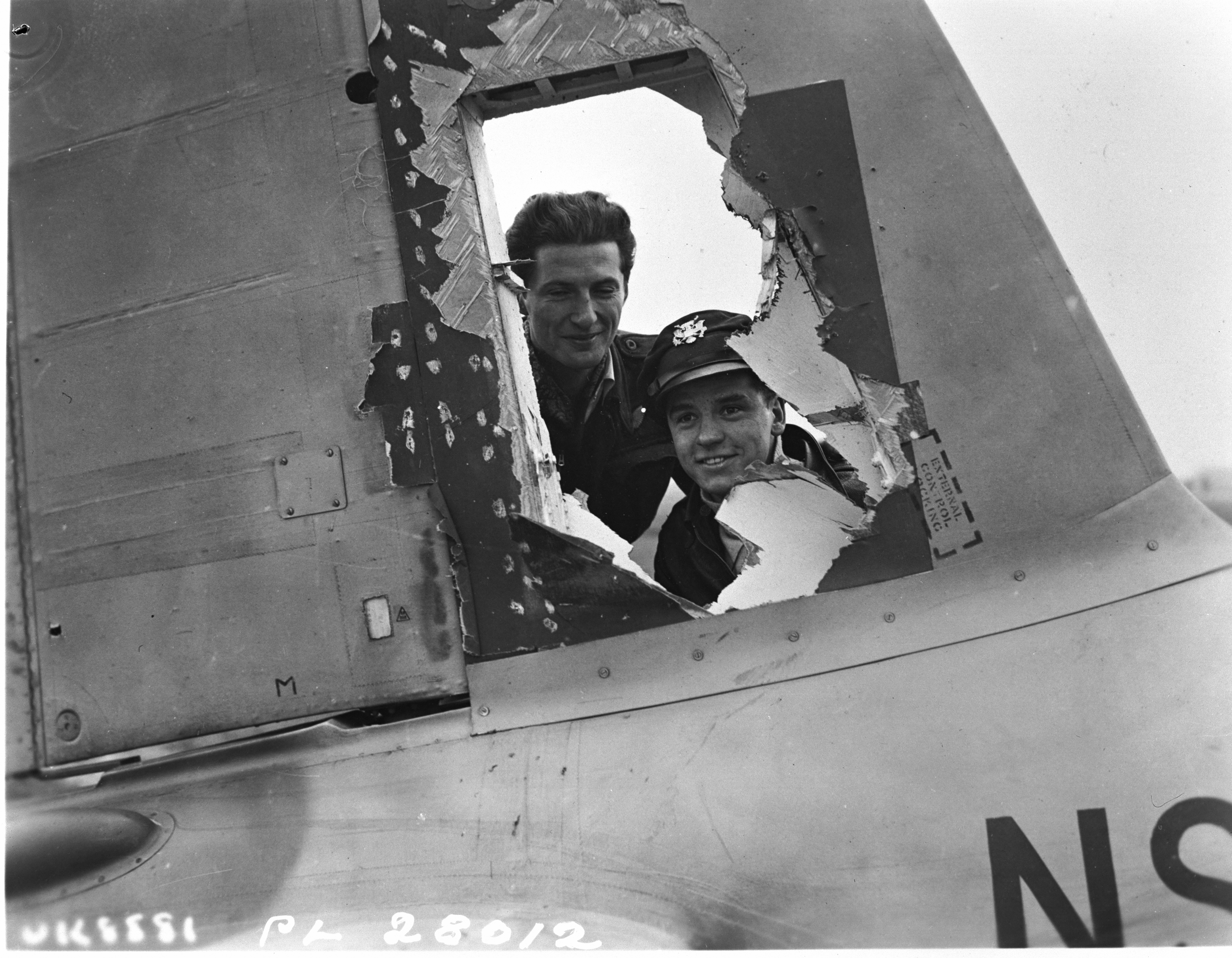
%20Squadron%2C%20TH-O.png)
Connect
Enquiries & Media
COMING SOON - DOUGLAS BOSTONS NIGHT RAIDERS - MOSQUITO UNITS IN THE FAR EAST - JEREMY WALSH